By
·
3 minute read
By
·
3 minute read
Cape Cod has long evoked images of windswept dunes, historic lighthouses, and classic summer days along the shore. For generations, this corner of New England has been one of the most beloved coastal destinations in Massachusetts, drawing visitors from Boston and beyond. Yet beneath the surface of these familiar waters, a powerful ecological story has been unfolding: the return of the great white shark.
The Enduring Allure of Cape Cod’s Waters—and Its Apex Predators
There is an undeniable magic to Cape Cod waters. Stretching from Barnstable to Provincetown, the region’s coastline supports rich marine life and deep maritime traditions. As with any wild place, however, the presence of nature’s top hunters comes with the territory. Great white sharks, as apex predators, have reclaimed their historical role in the local ecosystem, reminding residents and visitors alike that these waters are very much alive.
For beachgoers enjoying places like Nauset Beach or the shores of Cape Cod Bay, understanding this balance is essential to appreciating the natural complexity of the region.


A Resurgence Years in the Making: The Great White’s Return
For much of the 20th century, a great white shark sighting off Cape Cod was rare enough to be considered extraordinary. That has changed. Over the past two decades, confirmed white shark sightings have become a regular seasonal occurrence, particularly along the Outer Cape.
This resurgence has not happened overnight. It reflects decades of conservation success, improved monitoring, and a changing marine environment that once again supports large predators year-round.
Why Are They Here? The Seal Connection
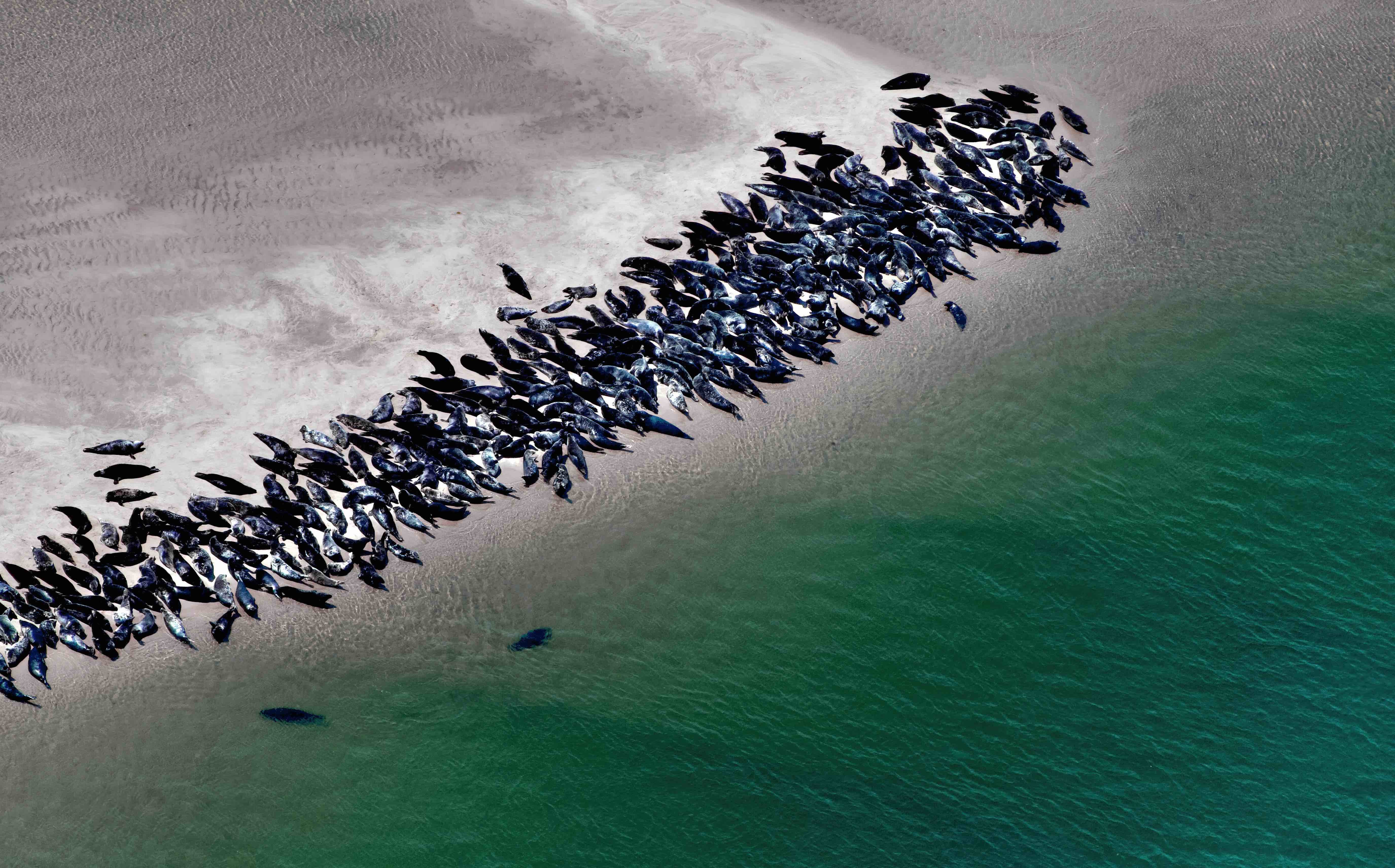
The key to understanding this return lies with the recovering seal population. Following the Marine Mammal Protection Act of 1972, several species of marine mammal rebounded along the Massachusetts coast. Gray seals, in particular, established large colonies near Monomoy Island and other barrier beaches.
These dense seal haul-outs act as a magnet for white sharks. Areas near Chatham, Orleans, and Wellfleet now sit at the center of a natural predator-prey relationship that defines modern shark activity in the region. The recovery of seals is widely viewed as one of the clearest indicators of a healthier ocean ecosystem.
From Anomaly to Annual Event: Tracking the Numbers
What was once anecdotal is now scientifically documented. Researchers tag dozens of sharks each season, creating a growing catalog of a tagged shark returning to Cape Cod summer after summer. Organizations such as the Atlantic White Shark Conservancy, working alongside the Massachusetts Division of Marine Fisheries, have transformed public understanding of shark movements.
Tools like the Sharktivity App allow residents and visitors to follow shark sightings in near real time, replacing rumor with reliable data. These efforts have shown that the regional shark population is not random—it is seasonal, predictable, and closely tied to food availability.
Understanding the Ecosystem: Sharks as a Sign of Health
The presence of white sharks is often misunderstood. While fear is natural, scientists emphasize that these predators are a vital part of a balanced ecosystem. By influencing seal behavior and distribution, sharks help regulate the broader food web.
Marine biologists such as Greg Skomal have long stressed that sharks are indicators of environmental success, not failure. Their return signals cleaner water, abundant prey, and a resilient marine system stretching from Woods Hole to the open Atlantic.
Staying Safe in Shark Country: Practical Advice for Cape Cod Visitors
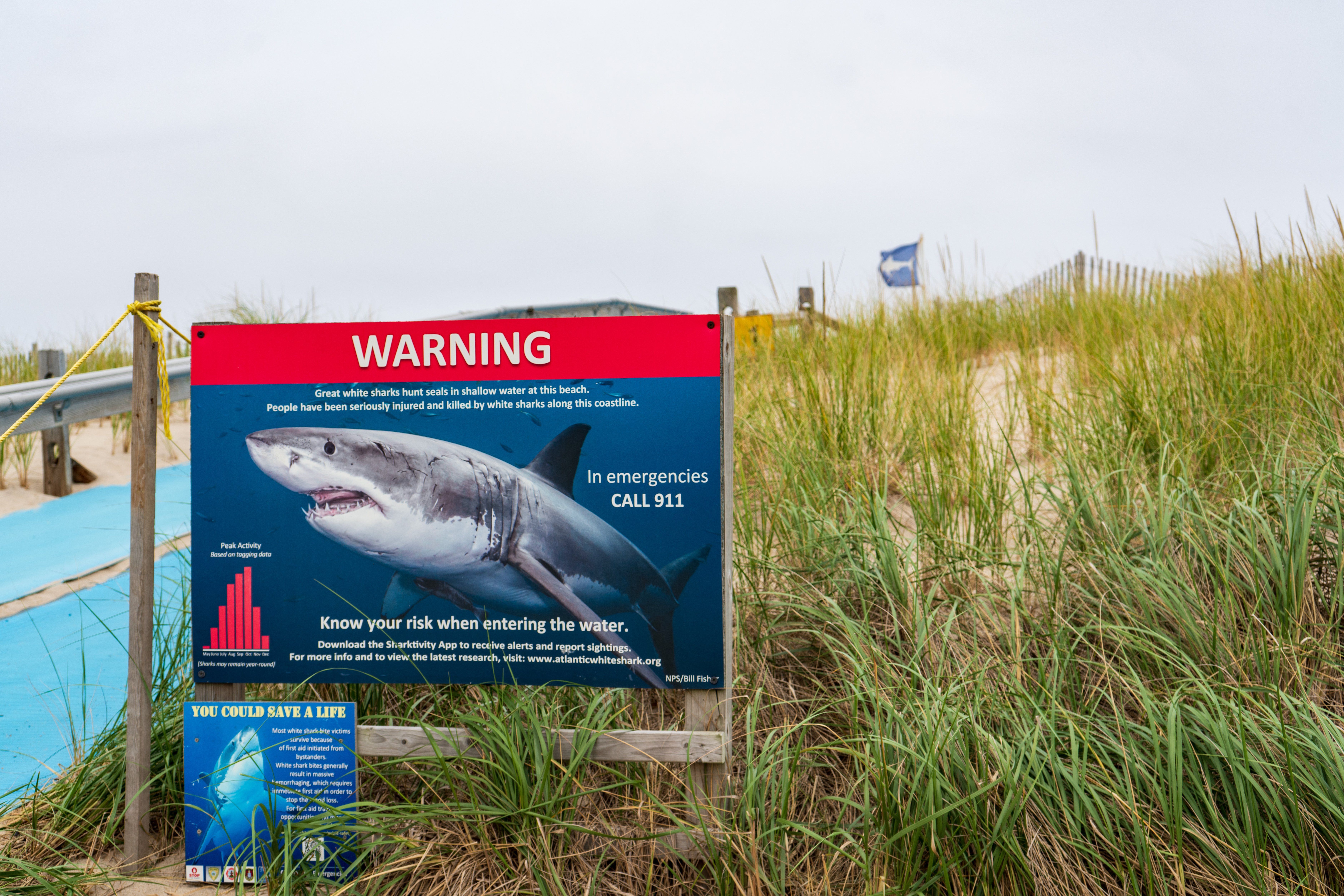
Although shark attacks remain extremely rare, public safety depends on awareness and responsible behavior. Most encounters occur in areas where seals are present or where people enter deeper zones unexpectedly.
The “Warm Water, Cool Head” Rule
As water temperatures rise, so does shark activity. This does not mean avoiding the ocean altogether, but rather adopting a shark smart mindset—staying informed, calm, and observant while enjoying the coast.
Beyond the Bells and Whistles: Essential Safety Practices
Simple, common-sense precautions make a difference:
-
Swim in shallow water close to shore
-
Enter the ocean only where lifeguards are on duty
-
Avoid swimming at dawn or dusk
-
Stay clear of seals and large schools of fish
-
Follow warnings issued by the Cape Cod National Seashore
-
Leave shiny jewelry on the beach
-
Never swim alone or stray far from others
These steps help minimize risk while allowing people to continue enjoying the ocean responsibly.
The Science of the Encounter: Research and Conservation Efforts
The rise in shark activity has fueled a surge in research, education, and conservation. Institutions like the New England Aquarium and the regional Shark Center collaborate with scientists to study migration patterns and behavior.
Tagging, Tracking, and Understanding Behavior
Modern white shark research relies on satellite and acoustic tagging, revealing where sharks travel when they leave Cape Cod waters for the winter. These findings show that many sharks range widely across the Atlantic before returning the following summer.
Dispelling Myths: What Great Whites Aren’t Looking For
Despite popular culture, humans are not prey. Most shark attacks worldwide are attributed to mistaken identity, often involving surfers, paddleboarders, or someone in a kayak. Species such as the basking shark and dogfish—also found locally—pose little to no threat, further highlighting the importance of education over fear.
Living with Giants: Balancing Recreation and Nature
Communities from Nantucket to the Outer Cape are learning how to coexist with large predators while maintaining vibrant coastal economies. Tourism, recreation, and wildlife conservation now operate side by side.
The Long-Term Outlook for Cape Cod and Its Sharks
Looking ahead, the relationship between people and sharks will continue to evolve. Ongoing research, public education, and improved monitoring are helping ensure that Cape Cod remains both welcoming and safe.
This region of New England stands as a living example of how conservation can restore natural balance. From Boston day-trippers to lifelong locals, those who visit Cape Cod today are witnessing a rare success story—one where nature has reclaimed its place, and humans are learning to share it with respect.